

 language

-
Home
-
Products and Solutions
-
Keyto Global
-
News Center
-
Service Support
-
About Us
-
Contact Us
-
Language


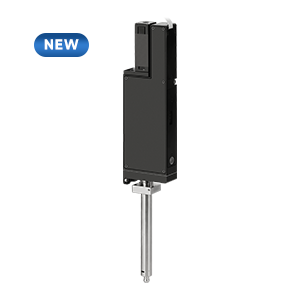
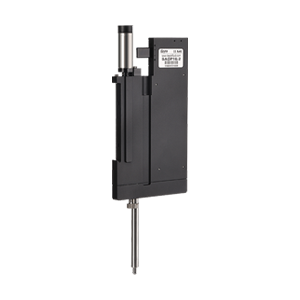
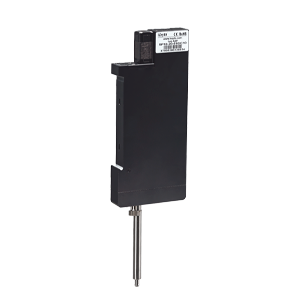
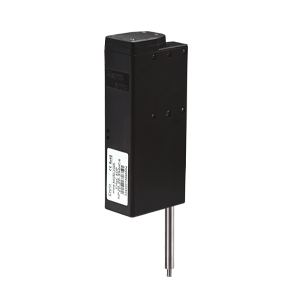
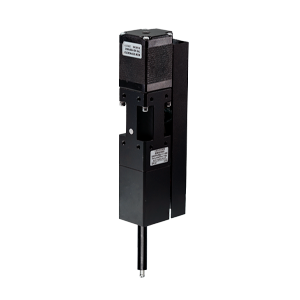
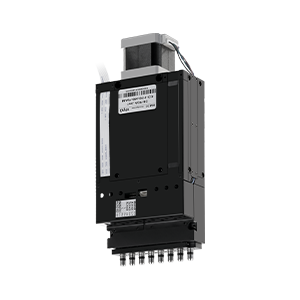
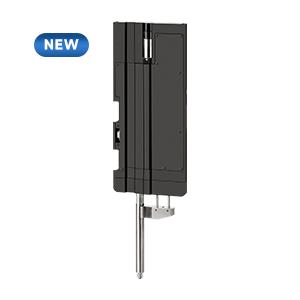
SP13 Air Displacement Pipetting Module — 9 mm Tip-to-Tip, 0.5–1000 µL
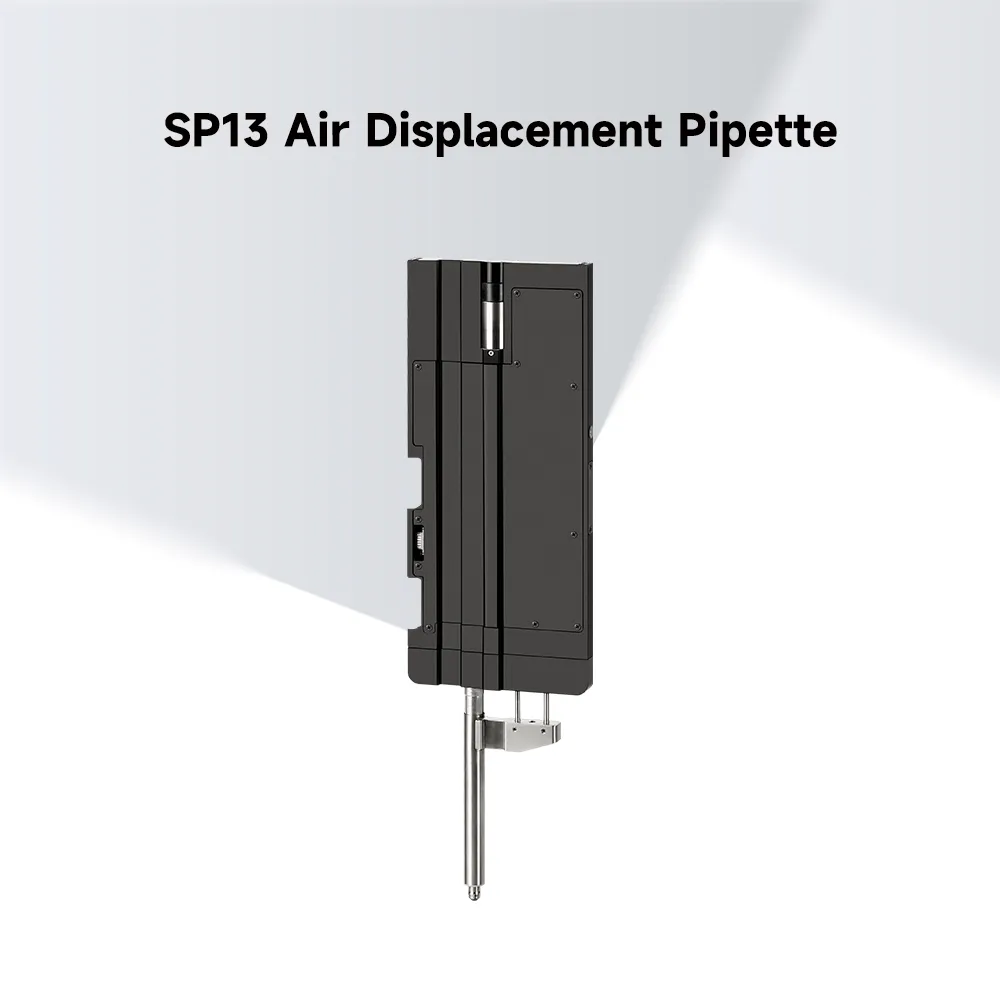
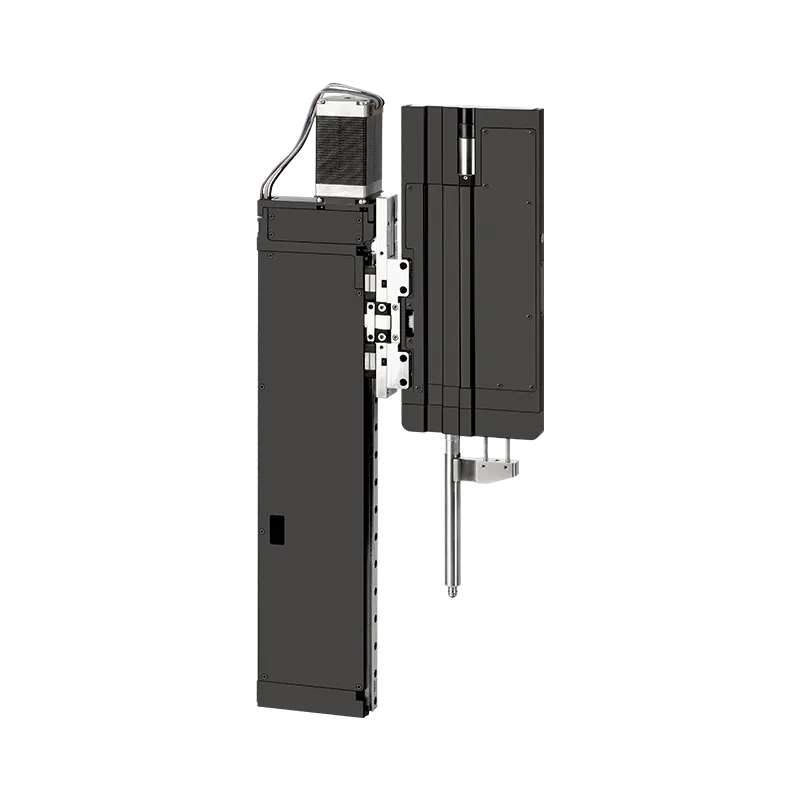
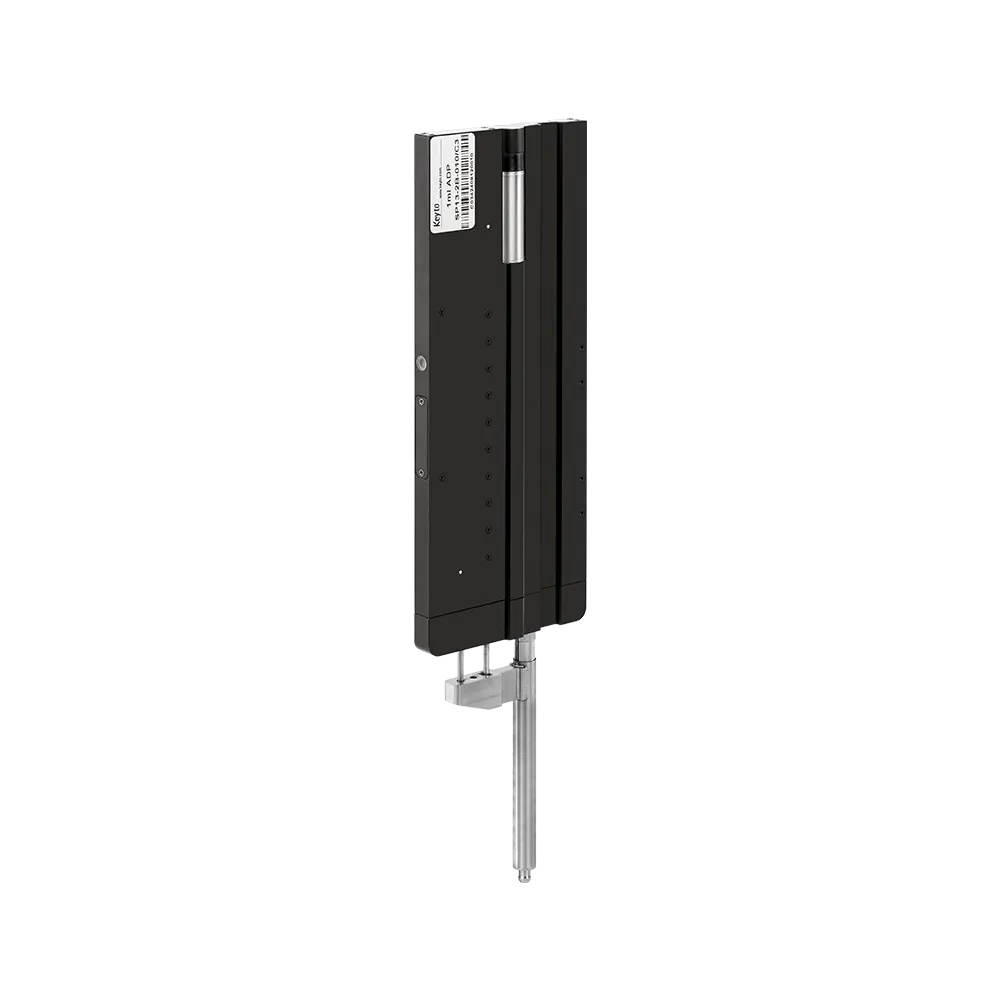
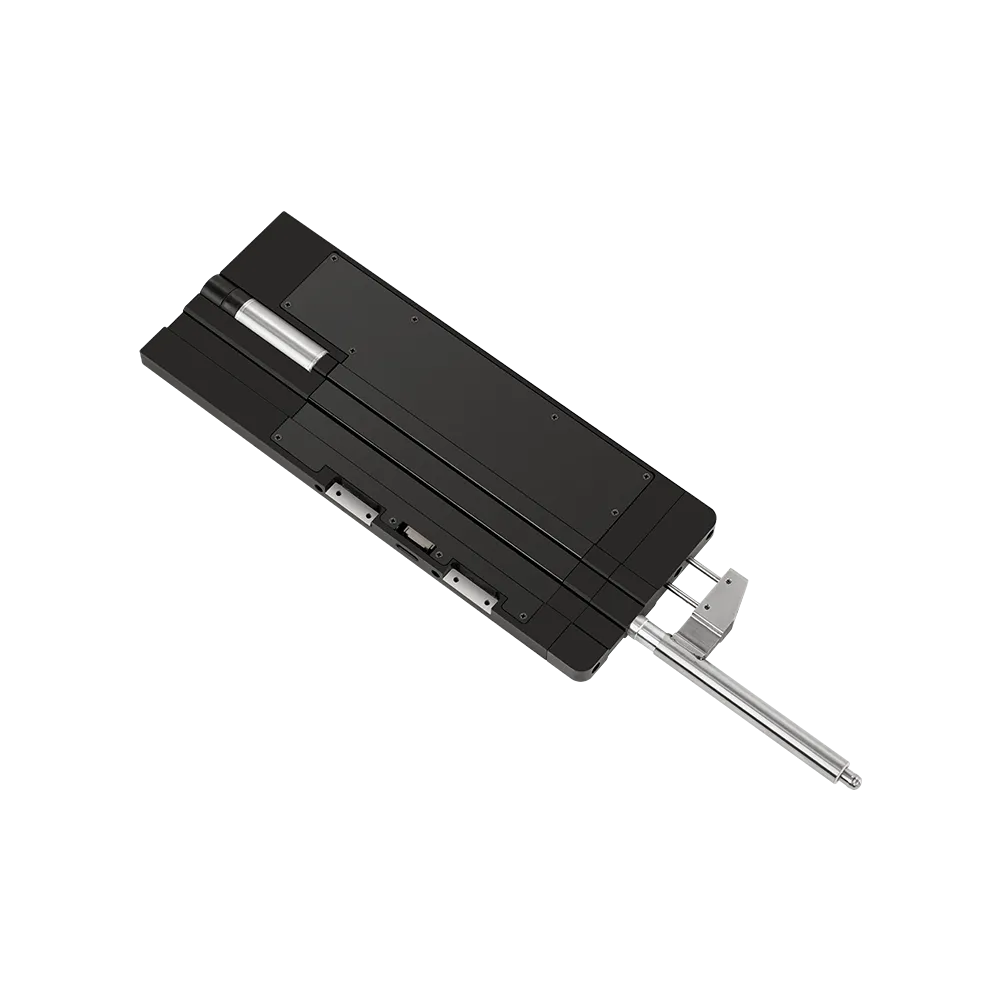
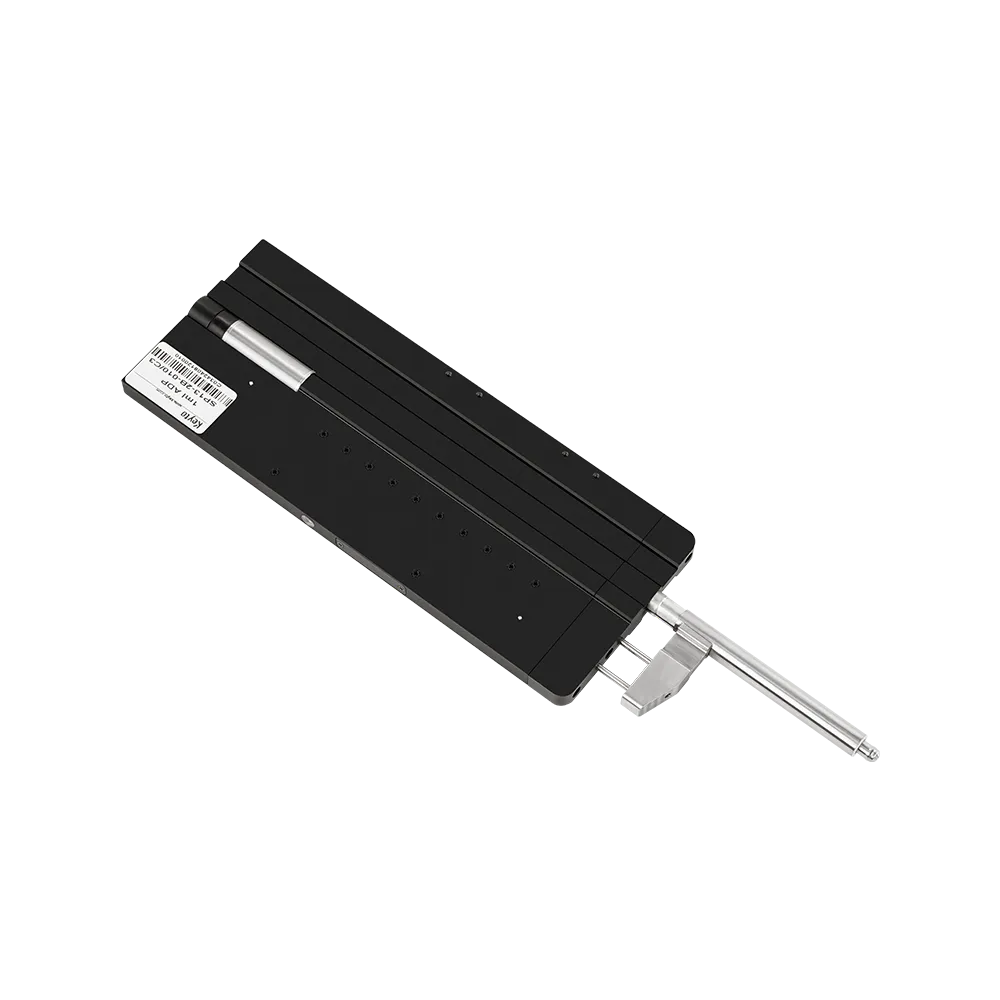



SP13 Air Displacement Pipetting Module for OEM Automation
Applications for Automated Pipetting Systems
The SP13 is intended for OEM developers building automated liquid-handling instruments. Match the module to the required volume, liquid class, labware, channel layout and throughput, then validate the completed system.
Dispense samples, controls and reagents in chemiluminescence immunoassay workflows.
Support qPCR or NGS sample-preparation steps such as reagent addition, mixing and transfer.
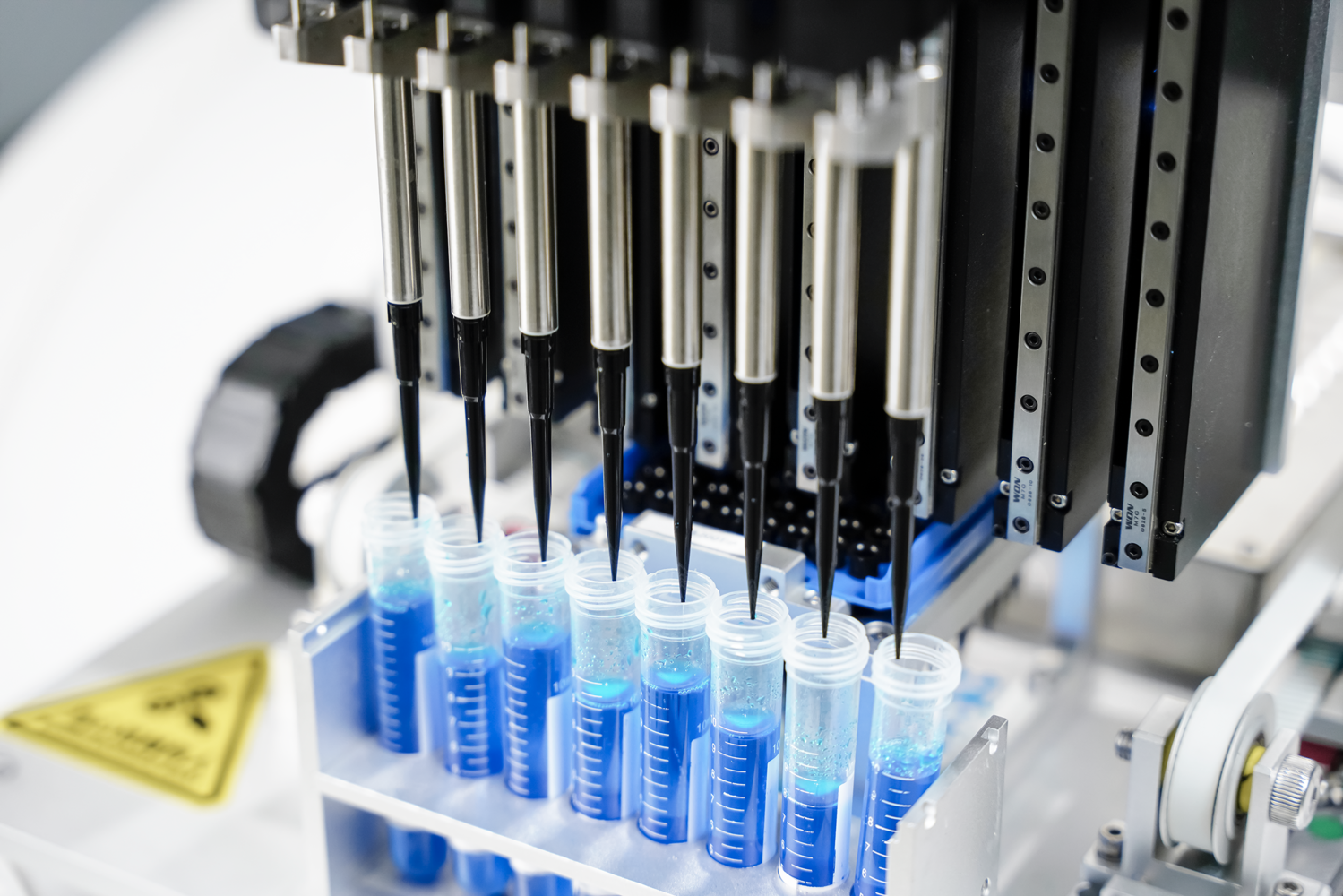
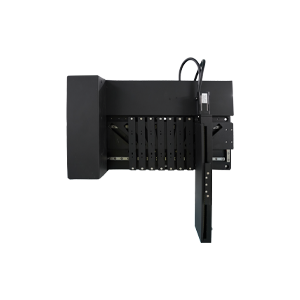
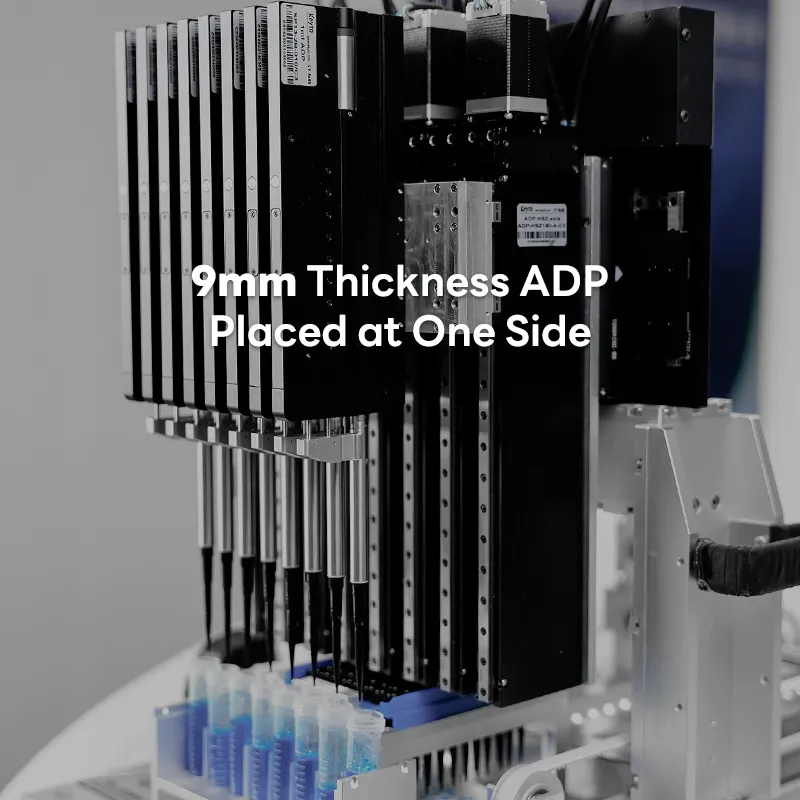
Align up to eight standard units at 9 mm pitch for row-based plate transfer.
Develop dilution, normalization, aliquoting and quantitative dispensing methods.
Integrate one channel or a compact multi-channel head into a tailored motion architecture.
Use drawings and protocol files to prototype and validate new workflows.
Need to verify fit? Share your liquid, target volumes, tips and throughput.
Ask About an Evaluation Unit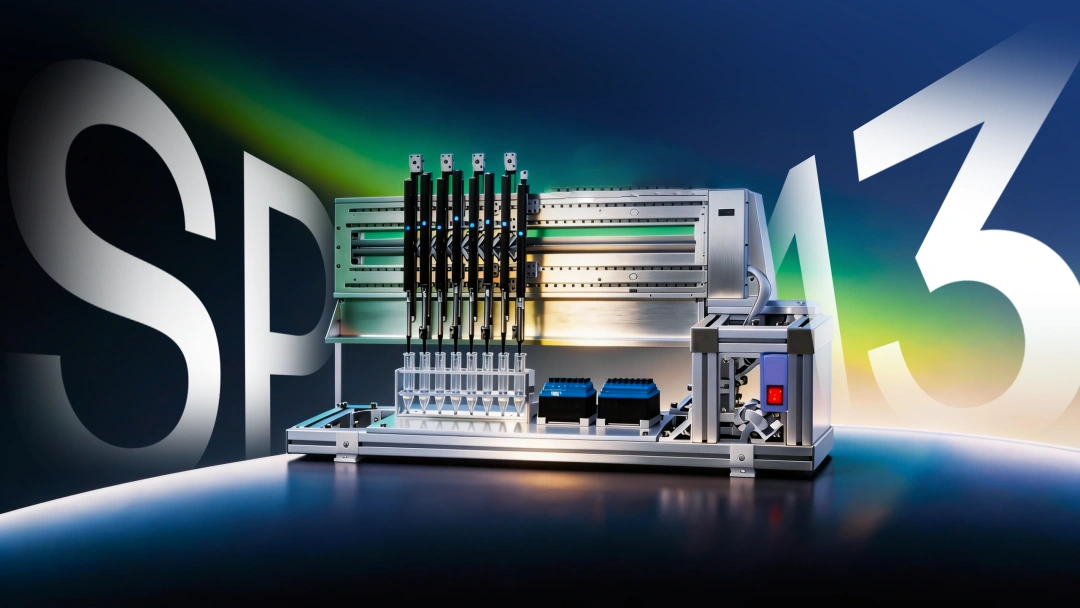

Why OEM Teams Consider the SP13 Platform
Combine 9 mm layouts, dual LLD, aspiration monitoring and automatic tip handling in one module platform.
Address low-volume additions and transfers up to 1 mL, with published reference data at defined test points.
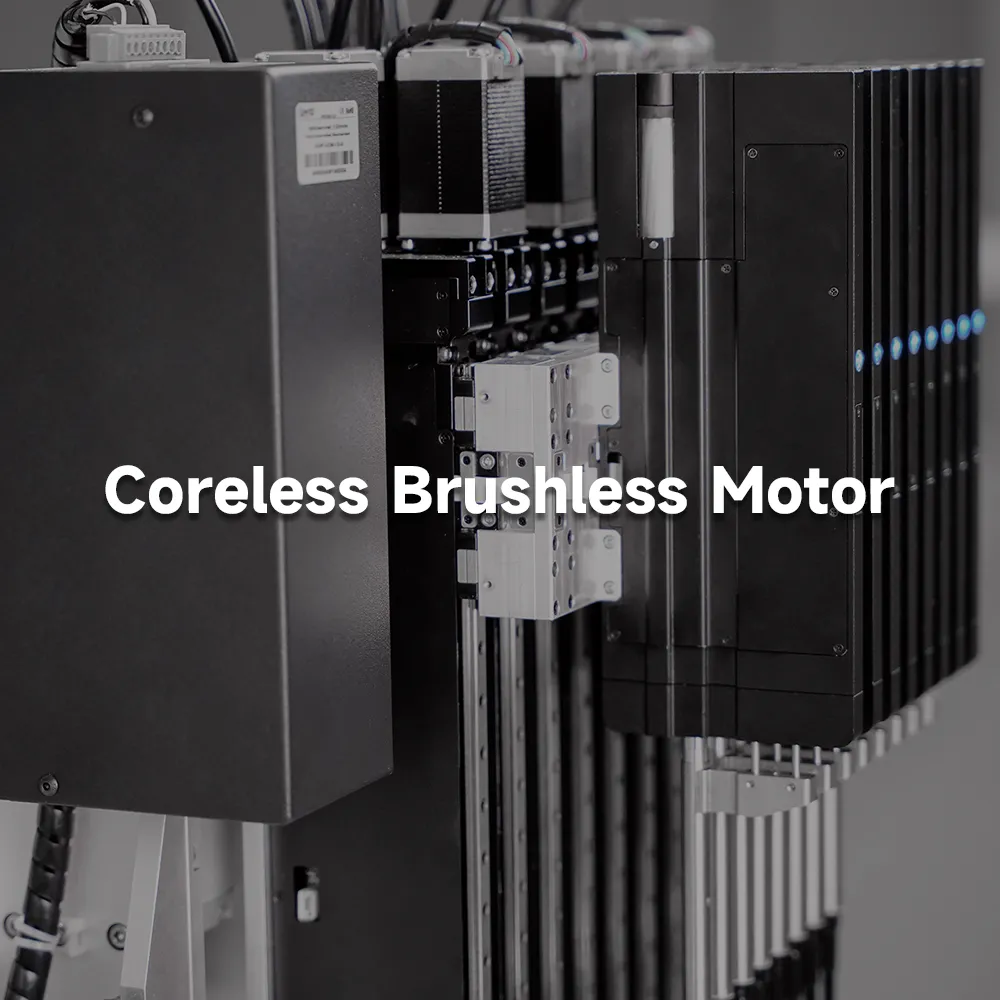
Use 24 VDC and CAN, with RS485 available in the supported configuration and Keyto HSZ compatibility.
The published barrel-life specification is greater than one million cycles; final service life depends on use conditions.
Automation Features for Liquid Handling
Each function provides a defined signal or mechanical capability for the host instrument. Validate the final behavior with the selected liquid, tip, labware and motion system.
Multi-Channel Plate Layouts
Nine-millimeter center spacing matches a standard 96-well plate. Up to eight standard SP13 units can align with one row and operate independently or in groups.
Integration value: direct plate-pitch alignment can reduce added lateral positioning in the pipetting head.
Dual Liquid-Level Detection
pLLD detects pressure change without relying on conductivity; cLLD detects capacitance change for conductive liquids. The fastest specified response is 3–5 ms.
Integration value: select a detection method for conductive or non-conductive liquid classes.
Aspiration Monitoring
SP13 provides signals for tip presence, clots, foam or bubbles, and aspiration of air. The host instrument determines the validated response.
System value: expose abnormal-transfer signals to host logic for defined recovery or result handling.
Automatic Tip Pickup and Ejection
A compatible Z-axis positions the SP13 for tip pickup, deck movement and ejection. Tip-presence monitoring helps confirm pickup before aspiration.
Workflow value: disposable-tip automation supports carryover-control strategies and unattended workflows.
How Air Displacement Pipetting Works
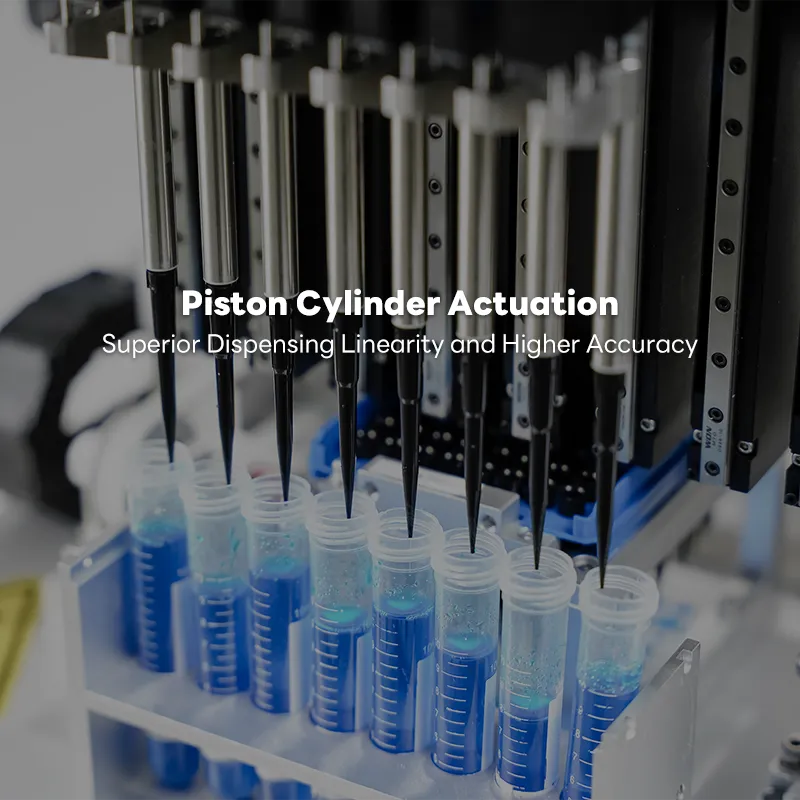
The motor-driven plunger changes the volume of a sealed air column. Retracting it aspirates liquid into the disposable tip; advancing it dispenses the programmed volume. The liquid remains in the replaceable tip rather than entering the pipetting barrel.
Liquid properties, tip sealing, calibration, speed and pre-wetting should be validated for each liquid class.
Published Accuracy and Precision Data
SP13 manual Table 2-2 reports 5% accuracy and 2% CV at 5 µL with a 50F tip, and 1% accuracy and 0.75% CV at 1000 µL with a 1000F tip. Review the complete table and test conditions in the Specifications tab.
Evidence note: these are published reference points under defined water test conditions, not a guarantee of final-instrument performance.
Quality system: The SP13 is manufactured under an ISO 13485 quality management system.
Need the complete table, test conditions or project-specific evaluation discussion?
Request Full Performance Data
Configuration Options for OEM Integration
Use the published configuration options as a starting point, then confirm model, drawing, motion, communications, tips and liquid classes before design freeze.
Requirements outside the published options should be discussed with Keyto before they are included in the instrument specification.
CAN control; RS485 is available in the supported configuration.
24 VDC standard supply requirement.
Compatible with Keyto HSZ for automatic tip handling and liquid-level following.
Up to eight standard units at 9 mm pitch with independent or grouped operation.
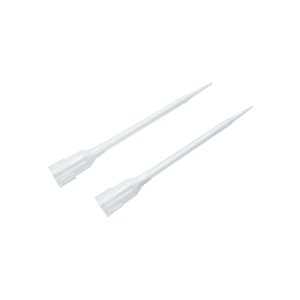
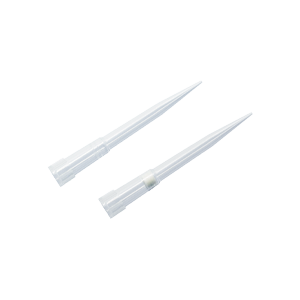
Specified tip-volume options: 10, 50, 200 and 1000 µL.
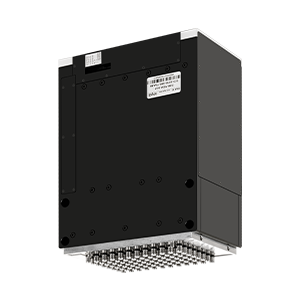
Confirm Model A or Model B against the current drawing and mechanism requirements.
Integration checklist
- Confirm model and current drawing
- Confirm Z-axis stroke and clearance
- Confirm protocol and host error handling
- Qualify tips, cables and liquid classes
Share your instrument layout and transfer requirements for a configuration discussion.
Discuss Your Integration Requirements
SP13 Air Displacement Pipette FAQs
Which disposable tips can the SP13 use?
The SP13 supports 10, 50, 200 and 1000 µL disposable tips. Tips are picked up and ejected automatically with a compatible Z-axis, and a tip-presence sensor confirms pickup before aspiration. Qualify tip fit, sealing and alignment for your selected tips before design freeze.
What is the difference between pLLD and cLLD?
pLLD (pressure-based liquid level detection) senses a pressure change in the air column and does not rely on liquid conductivity. cLLD (capacitive liquid level detection) senses a capacitance change and is intended for conductive liquids. The SP13 runs both methods with a fastest specified response of 3–5 ms, so the host instrument can select the detection method that matches each liquid class.
Does the SP13 require a Z-axis?
Yes. A compatible Z-axis positions the module for automatic tip pickup, deck movement and ejection. Liquid-level following requires the Keyto HSZ, which is the published compatible Z-axis option.
Can SP13 detect clots, foam, bubbles or aspiration of air?
Yes. The SP13 provides monitoring signals for clots, foam or bubbles, and aspiration of air, alongside tip-presence detection and anti-droplet control. These signals are exposed to the host instrument, which applies its own validated response and recovery logic.
Can SP13 pipette viscous or volatile liquids?
The SP13 is an air displacement module, so the liquid stays in the disposable tip rather than entering the pipetting barrel. For viscous or volatile liquids, adjusted aspirate/dispense speeds, pre-wetting or another liquid-class method may be required. Liquid properties, tip sealing, calibration and speed should be validated for each liquid class in the final system.
What information should be included in an SP13 inquiry?
Provide your target volumes, required accuracy and CV, liquid types, tip sizes, channel layout, throughput, communication interface (CAN or RS485), quantity and project schedule. This allows Keyto to confirm the model (A or B), current drawing and configuration against your instrument requirements.
Validate the SP13 for Your Instrument
Send Keyto your most demanding transfer point, including target volume, liquid, tip, accuracy/CV, channel layout, throughput and interface requirements.